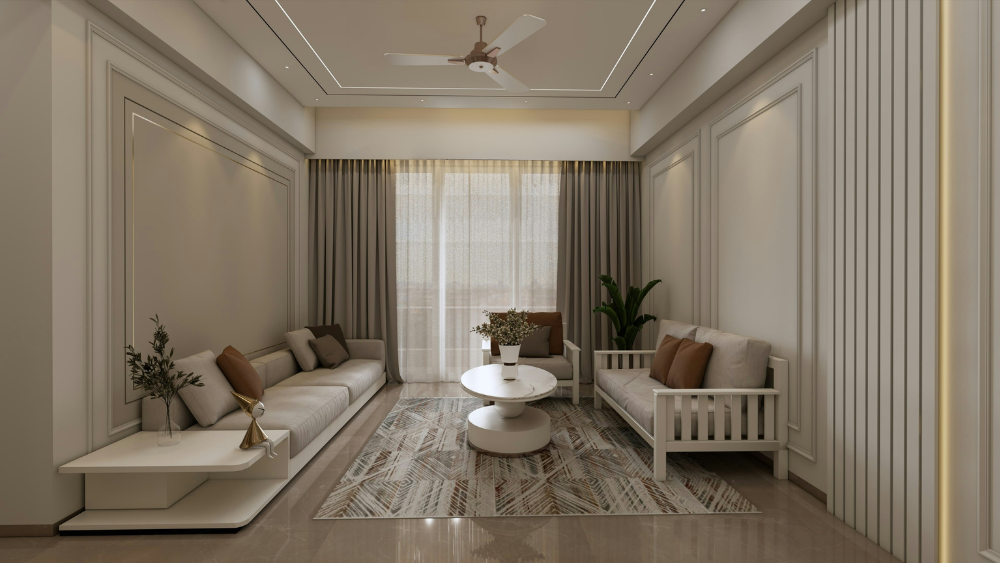
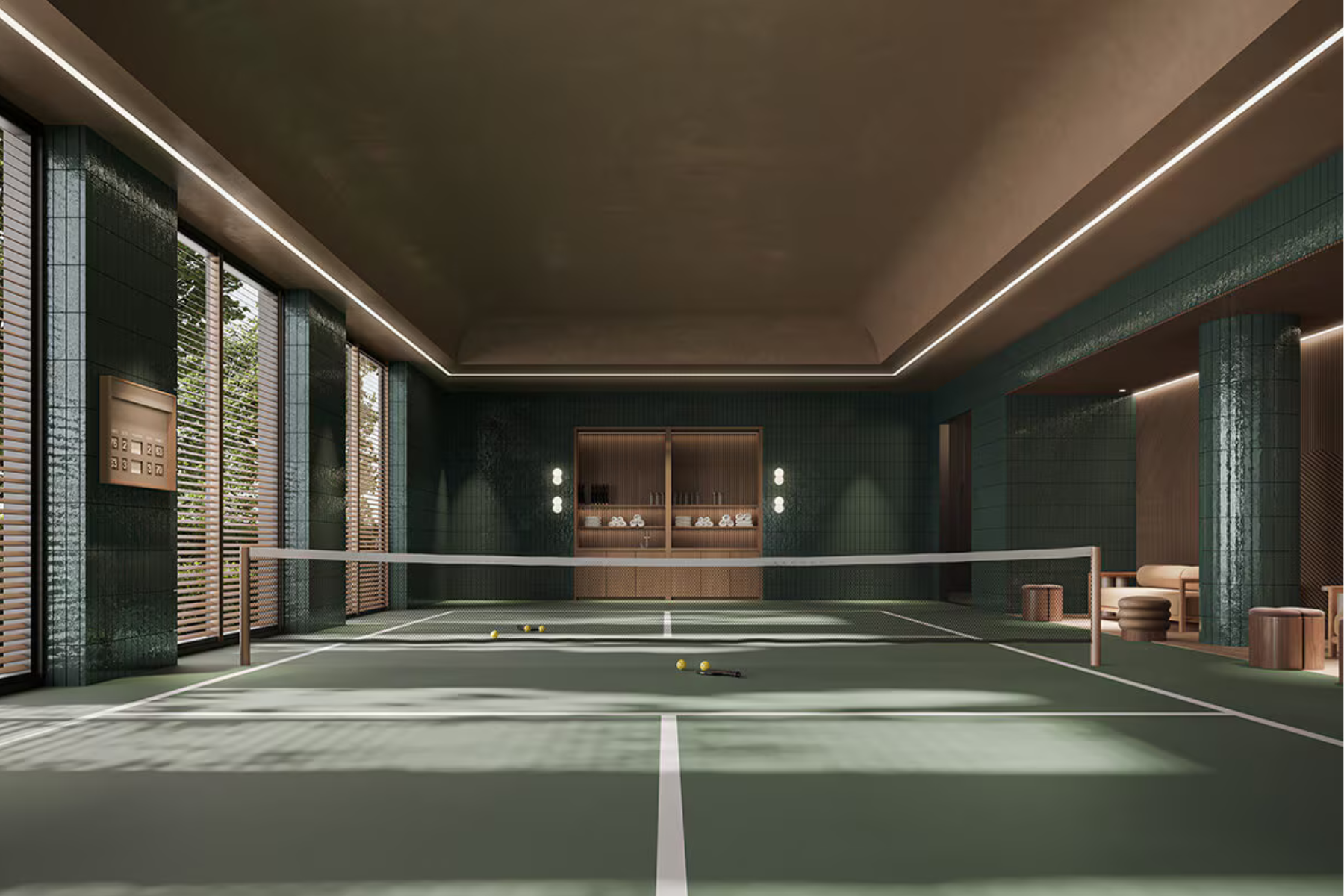
As luxury general contractors, we know that true high-end construction is about crafting spaces that anticipate the future of living. As we move through 2026, the definition of luxury is shifting from overt displays of wealth to a deeper sense of well-being, connection, and responsible living. The most sought-after projects are looking to be that there are effortlessly integrate nature, prioritize health, and embody a quiet, lasting sophistication. Here are the key architectural and design trends that are looking to define the luxury market in the coming few years.
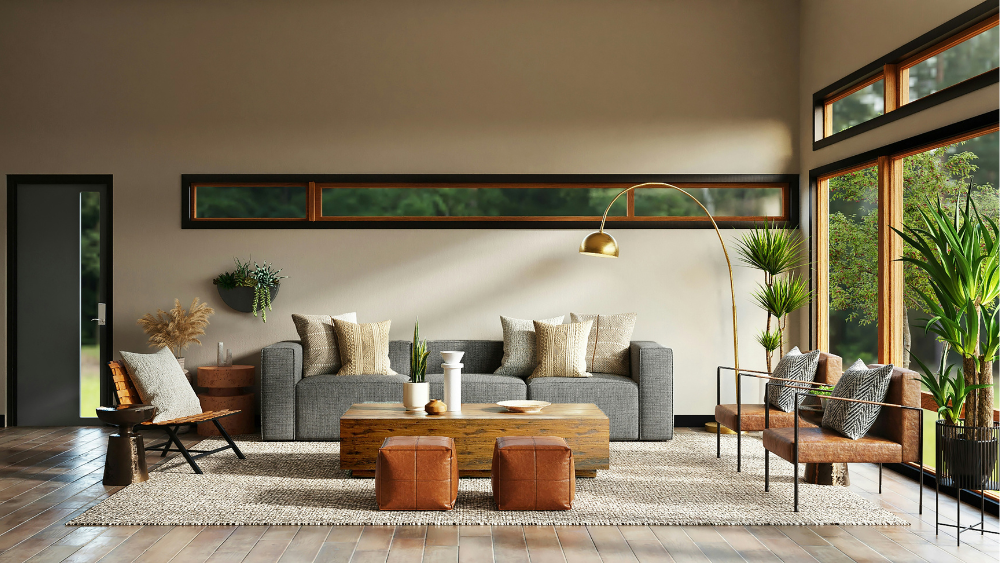
The Biophilic Imperative: Merging Indoors and Out
The desire to connect with nature is no longer a fleeting trend but a fundamental design principle. Biophilic design is evolving from simple potted plants to a holistic approach that blurs the boundaries between a home’s interior and its natural surroundings. Expect to see expansive, retractable glass walls that transform living rooms into open-air pavilions, integrated indoor gardens, and a focus on maximizing natural light and ventilation. This seamless flow is becoming a standard for modern wellness.

The “Quiet Luxury” Material Palette
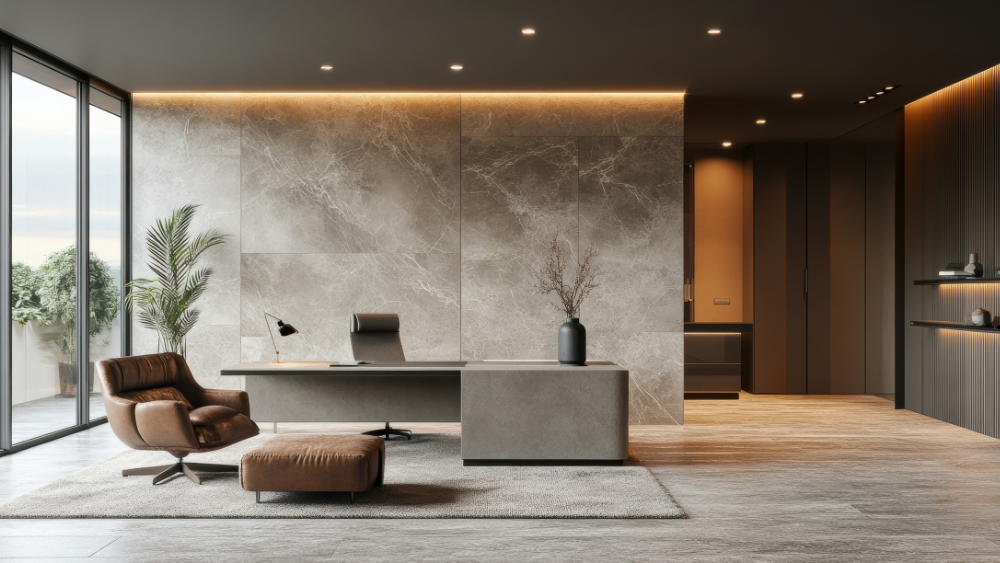
We are also seeing a move away from ornate details towards a more subdued aesthetic, often referred to as “quiet luxury.” Authentic materials are defining new luxury standards, and this trend champions exceptional craftsmanship and the inherent beauty of natural materials. Think hand-troweled plaster walls, large-format travertine or limestone flooring, and rich, warm woods like walnut or white oak for custom millwork. The luxury is felt in the texture and seen in the artisanal execution. Homes are increasingly being quality first.
Wellness Architecture as a Standard
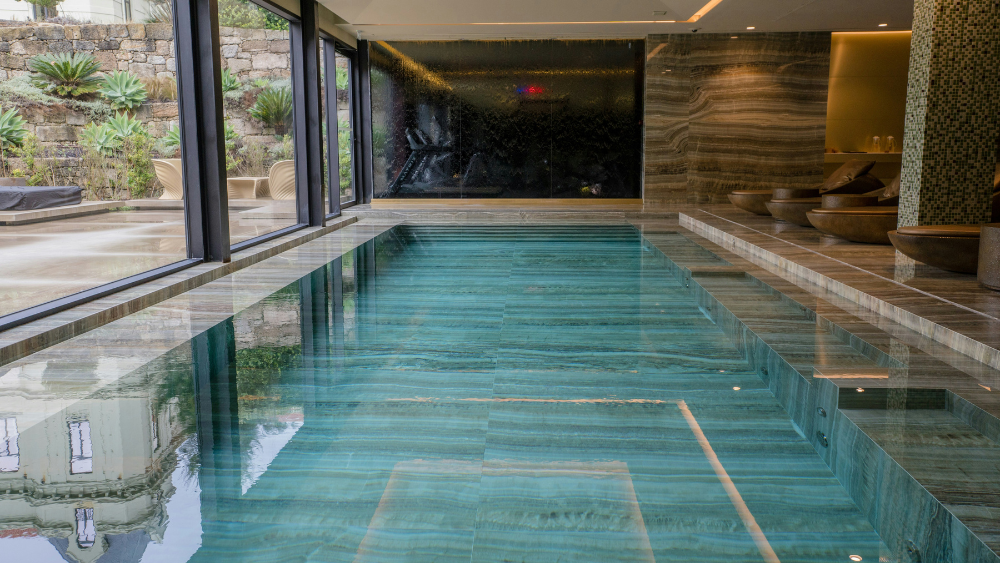
Home is now the primary center for health and restoration. Wellness has become a core design philosophy. This means going beyond a home gym to creating wellness-centric spaces in luxury homes that nurture physical and mental health. Primary suites are becoming private sanctuaries, featuring spa-inspired bathrooms with steam showers, saunas, and cold plunge pools. Other elements include meditation rooms, circadian lighting systems that regulate sleep cycles, and advanced air and water purification systems that are integrated seamlessly into the home’s infrastructure.
Sustainable Luxury and Invisible Tech
The future of luxury is also responsible. Sustainability is now an expectation, with a focus on net-zero energy homes, passive design strategies, and the use of eco-friendly materials like reclaimed wood, low-carbon concrete, and mycelium acoustic panels. This is often coupled with “invisible technology” smart home systems that are intuitive and hidden from view. Think automated shading, invisible speakers, and AI-driven climate control that learn a homeowner’s preferences. The goal is a home that is both environmentally conscious and effortlessly technologically advanced, without the clutter of gadgets.
In conclusion, the architecture of 2026 and moving forward is about creating homes that are sanctuaries of well-being, connected to nature, and built with a deep respect for materials and the environment. As general contractors, understanding and executing these trends will be key to delivering projects that truly resonate with the luxury client of the future.