What kind of landscape architecture truly leaves an impression in today’s luxury homes, and what does it take to create them? The answer lies not in isolation but in immense collaboration.
The Illusion of Effortless Design
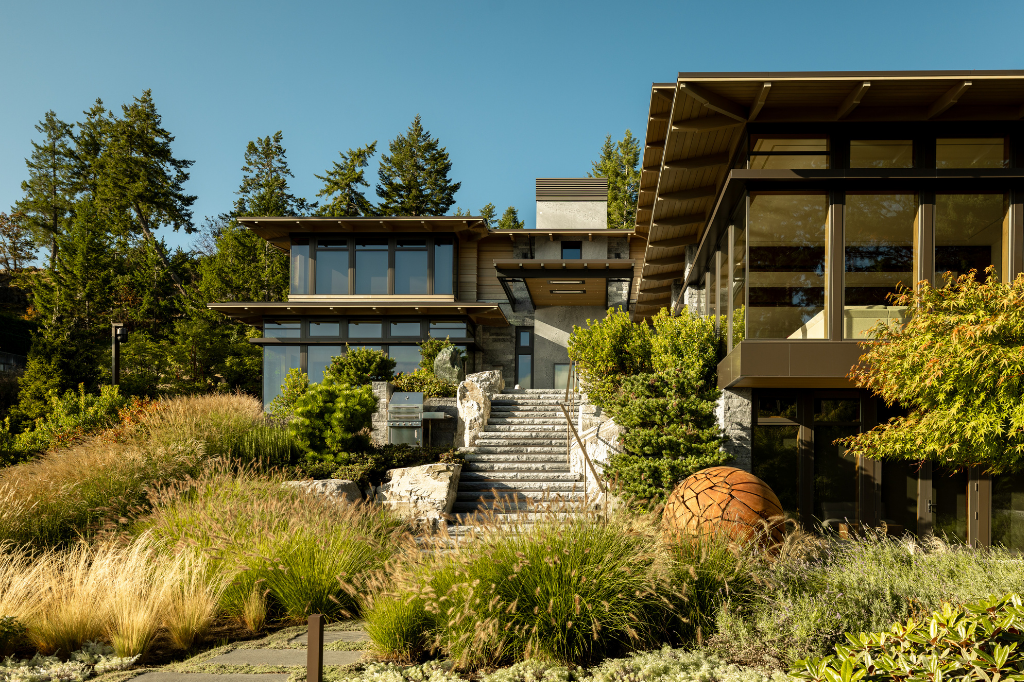
From our perspective as luxury home builders, creating that connection to nature is not something that happens at the end of a project. It begins long before design is finalized. Early collaboration with the architect and landscape team allows us to coordinate sightlines, floor elevations, window placement, and transitions between indoor and outdoor spaces so the entire property feels intentional.
That philosophy closely aligns with the approach of award-winning Vancouver landscape architect Paul Sangha Creative.
As the design team at Paul Sangha Creative explains, “every site already has a story it is trying to tell. Our job on that first walk isn’t to impose a vision, it’s to listen.” Rather than forcing a design onto the land, the team studies grade changes, existing trees, sight lines, and the movement of light throughout the day, allowing the natural qualities of the property to guide the design process.

Imagery provided by Paul Sangha Creative
A Deeper Connection to Nature
For many homeowners, a connection to nature is defined by expansive windows or a beautifully landscaped backyard. But for Paul Sangha Creative, it’s something deeper.
“The landscape becomes part of how you live, not something you look at from a distance.” The goal is immersion, creating homes where changing seasons, shifting light, and the surrounding ecology become part of everyday life. When thoughtfully integrated, “the garden and the home feel like a single organism.”
Achieving that level of incorporation requires collaboration from the very beginning. Landscape, architecture, and construction cannot exist as separate phases. The design team at Paul Sangha Creative also notes that the strongest projects emerge when these disciplines are “in conversation from day one, not sequenced.”
Early planning allows grading, drainage, structural transitions, and material selections to work together seamlessly, creating spaces that simply feel right.
Imagery provided by Paul Sangha Creative
Heightening the Natural Character
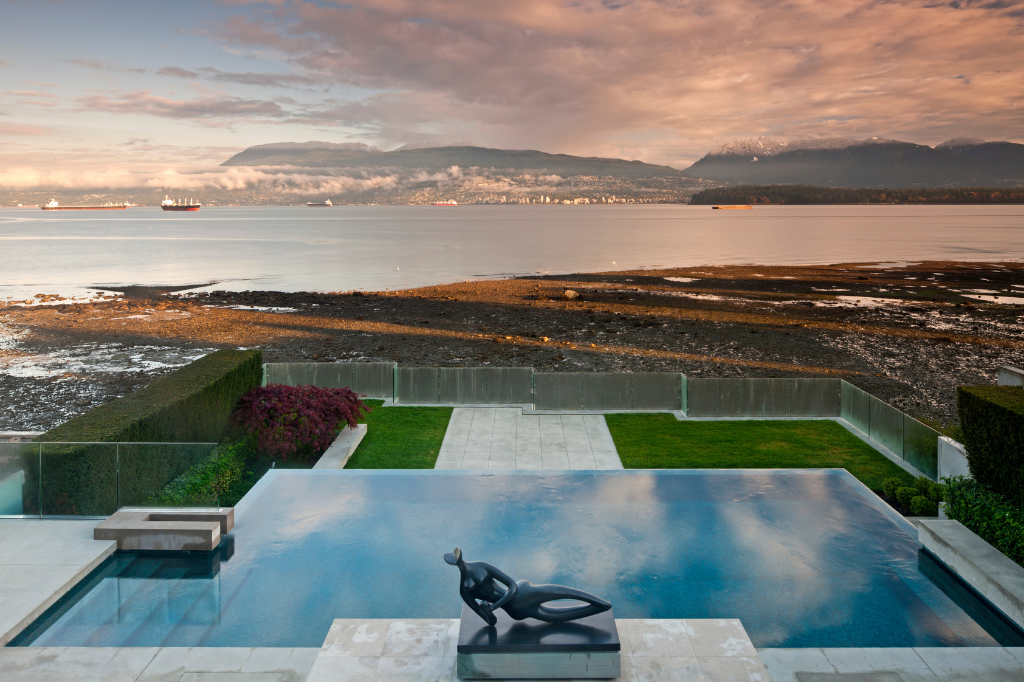
From a builder’s perspective, this coordination is what transforms an idea into reality. Flush thresholds, integrated drainage systems, retaining structures, and carefully aligned materials all need to be resolved before construction begins. The complexity disappears behind the finished product, leaving a home that feels effortless.
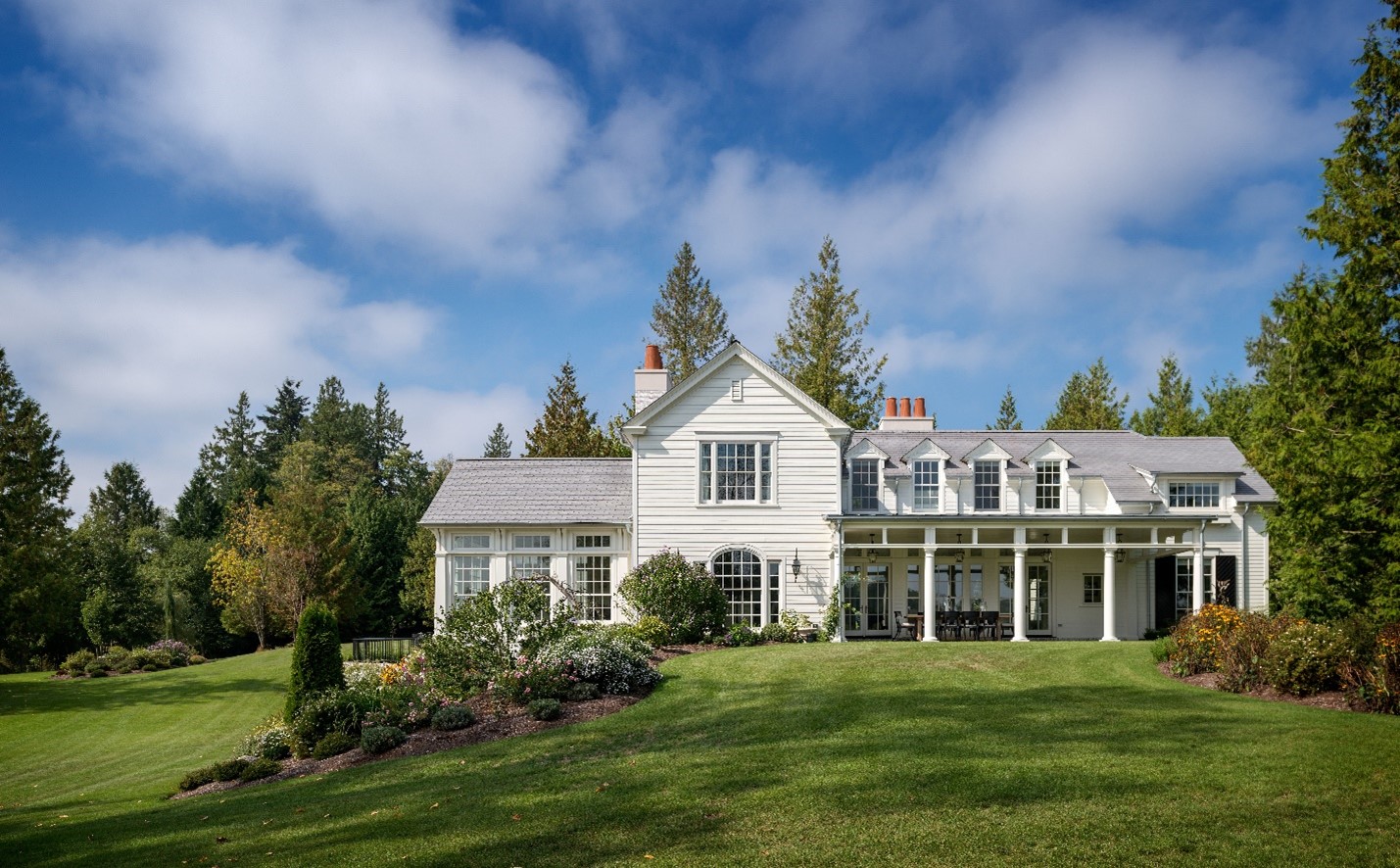
One of the most common mistakes, according to Tasha Sangha, Landscape Architect at Paul Sangha Creative, is treating the landscape as an afterthought. “The garden feels like a product placed beside a home rather than a space grown from it.”
Equally problematic is over-designing a property with too many competing materials and ideas. The most compelling landscapes, she says, are those where “the natural character of the place has been heightened, not replaced.”
Movement through a property is another essential ingredient. Rather than designing a collection of individual outdoor spaces, Sangha considers the entire experience.
“You move from arrival to entry, from interior to terrace, from terrace into the garden, and the transitions feel inevitable rather than designed.” Material continuity, proportion, and carefully framed views help create outdoor spaces that feel like natural extensions of the home.
Privacy, too, is approached with subtlety. “Privacy is nuanced and does not necessarily mean building walls,” the team at Paul Sangha Creative explains.
Through layers of planting, changes in landform, tree canopy, and carefully considered sightlines, landscapes can create intimacy while remaining open and connected to their surroundings.
Perhaps the most overlooked element in luxury residential projects is also one of the most impactful: trees.
“Trees are the architecture of the garden“. They shape space, frame views, provide privacy, and establish the identity of a property in a way that smaller plantings simply cannot.
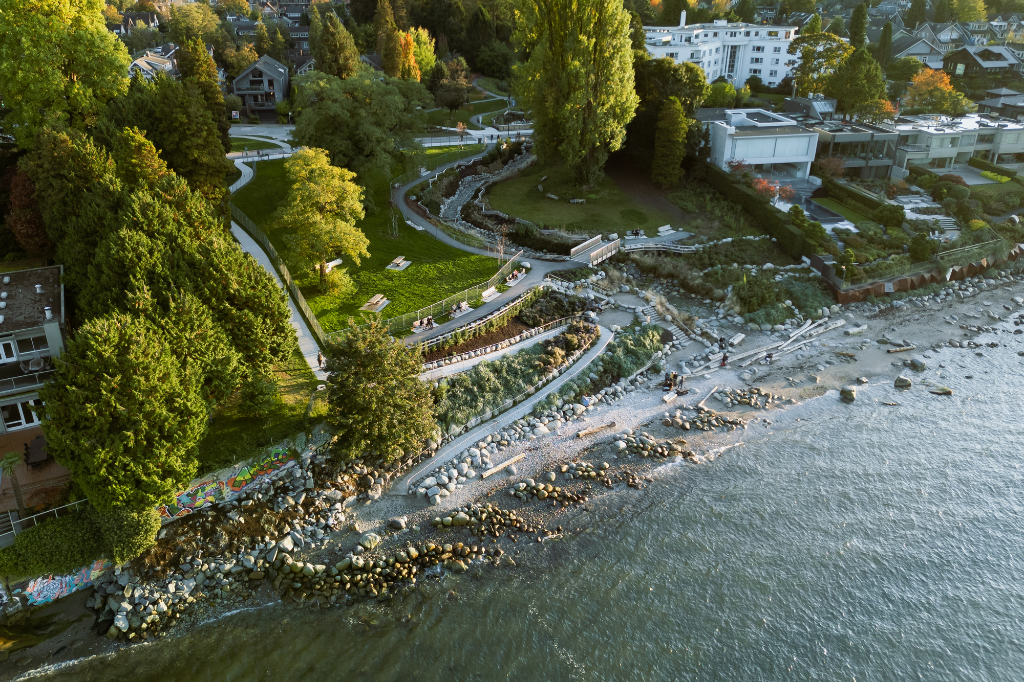
Designing for Vancouver also brings unique opportunities and responsibilities. The region’s climate allows for an extraordinary richness of planting, but it also demands careful attention to drainage, durability, and long-term performance. Sangha’s experience restoring thousands of linear feet of shoreline and working on significant waterfront projects has reinforced the importance of designing landscapes that work with water rather than against it.
Ultimately, homes that feel truly connected to nature are never the product of a single discipline. They are the result of thoughtful collaboration between the builder, architect, and landscape architect from the earliest stages of a project.